Magpie
McMaster Rocketry's first scientific payload: an SRAD fracture-test module that flew on Osiris to characterize how epoxy test samples fracture under real flight loads, groundwork for a self-healing polymer payload.
- Flew on
- Osiris
- Result
- 1st, Payload Challenge
What it did.
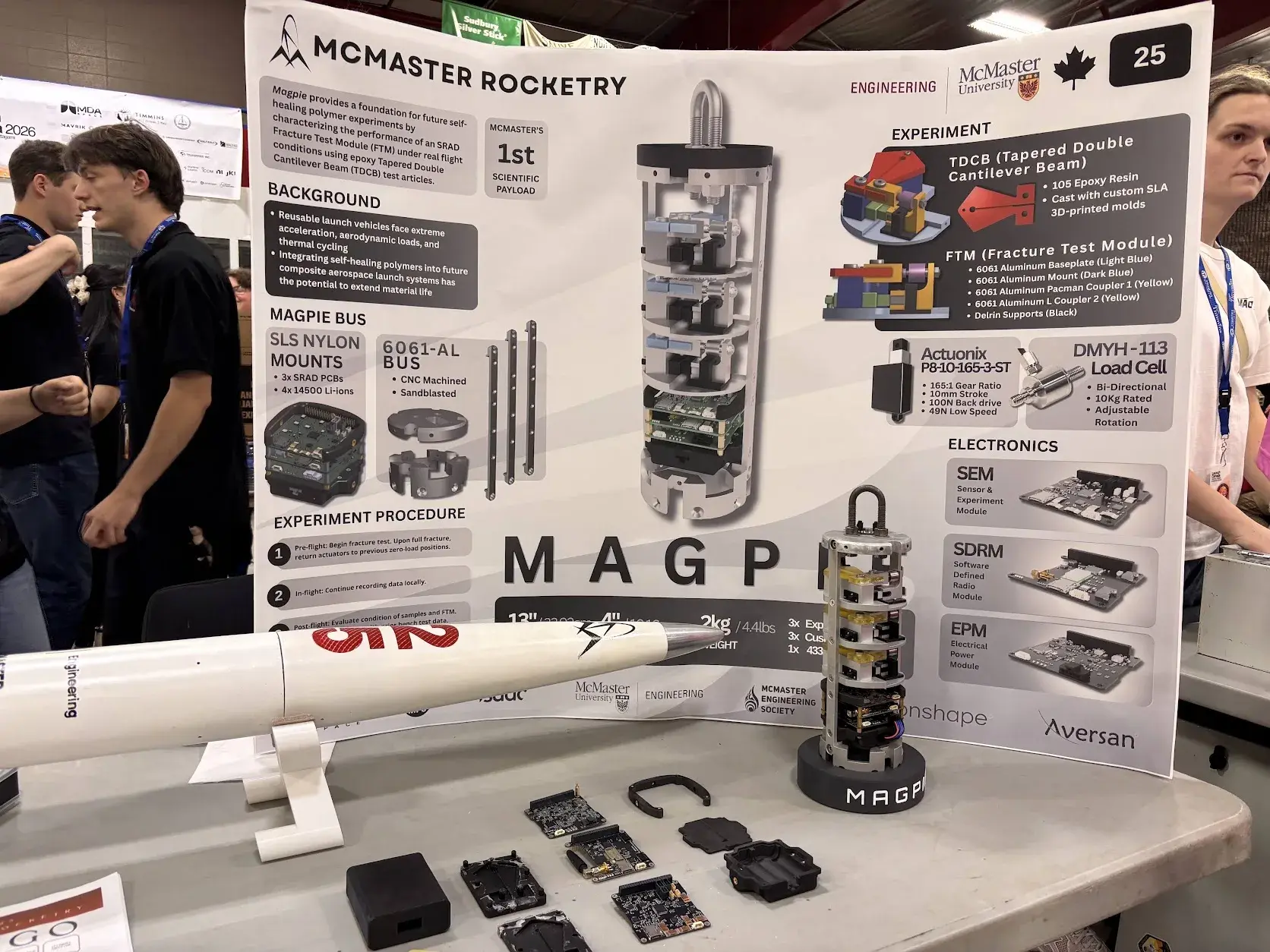
Self-healing polymers could address critical durability needs in reusable launch vehicles, which face extreme acceleration, intense aerodynamic loads, and repeated thermal cycling. Magpie is the first step toward flying one: it characterizes the fracture mechanism of TDCB epoxy test articles and how a sounding-rocket launch environment affects it. That baseline feeds this year's payload, which aims to fly a self-healing polymer.
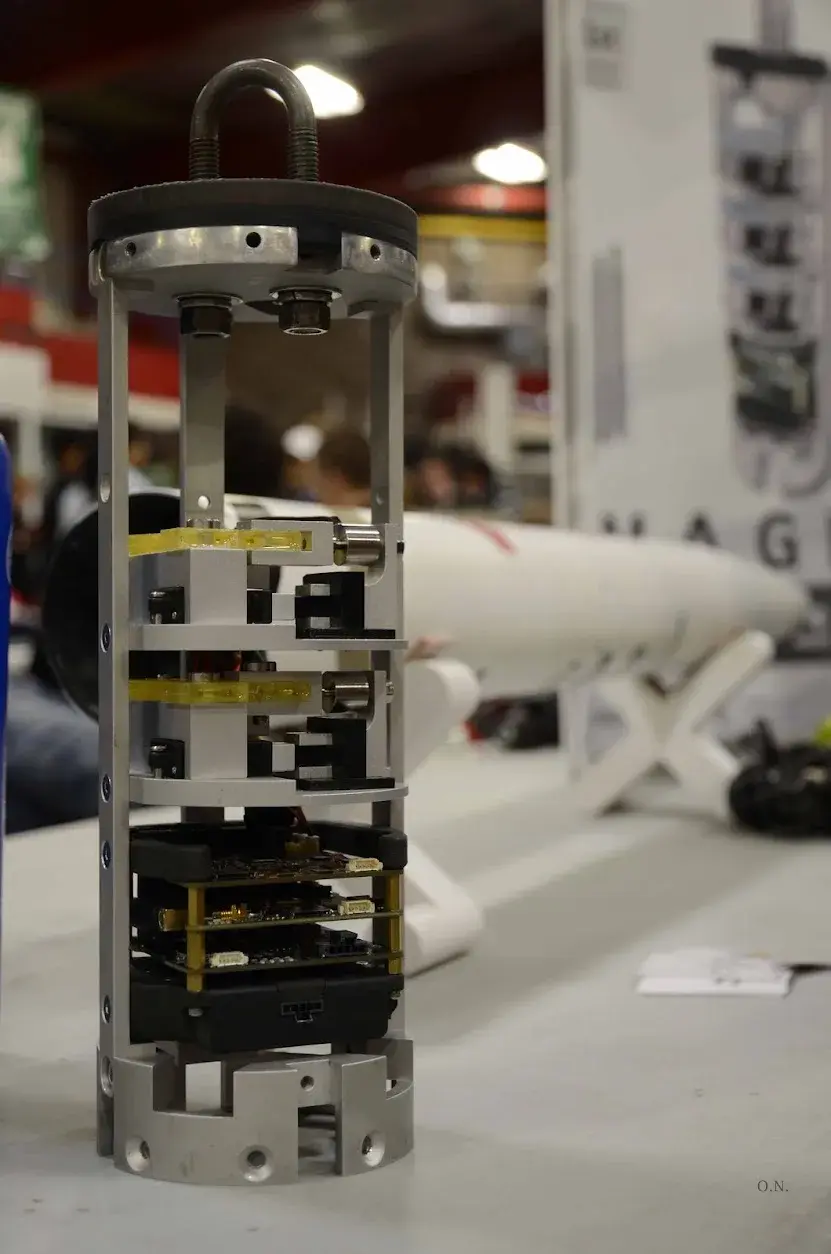
Magpie carries three test articles. A linear actuator on a Delrin guide loads the samples under tension while SRAD boards record strain, temperature, and pressure data over CAN bus. The module is fully passive once initiated: no pyrotechnics, pressurized parts, or active deployment that could affect the vehicle. It flew on Osiris and won first place in the Payload Challenge at Launch Canada 2026.
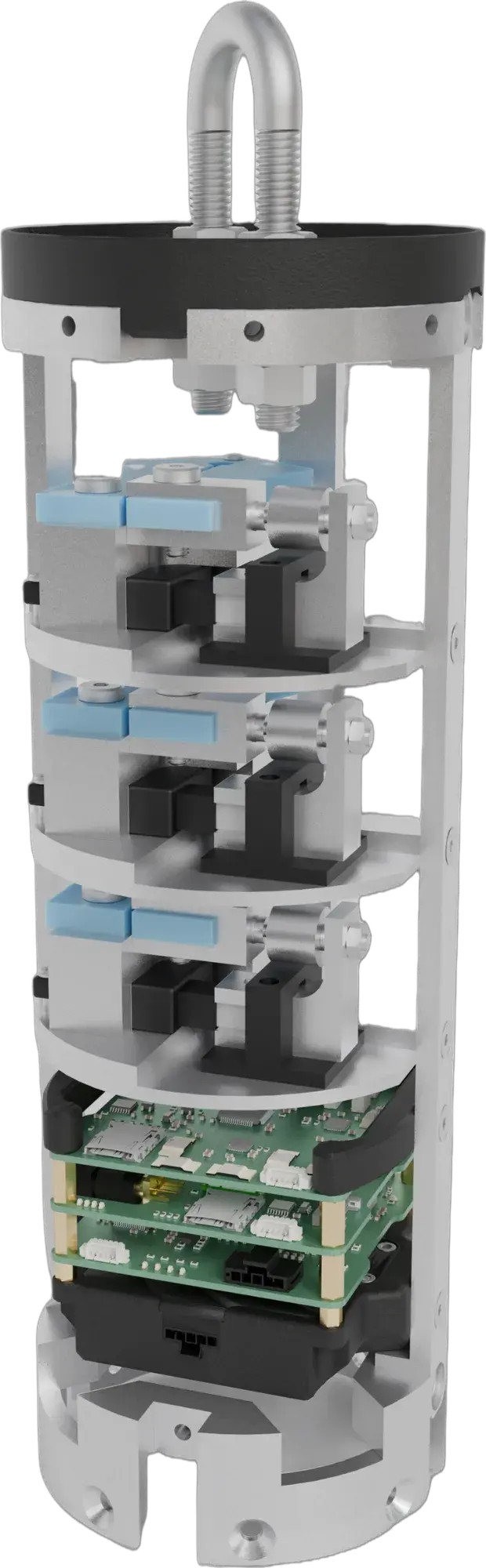
The Magpie bus.
SLS nylon mounts house three SRAD PCBs and four 14500 Li-ion cells. A CNC-machined 6061-aluminum bus forms the skeleton: a ring-and-rod frame that carries the experiment modules and electronics stack, secured to the payload bay via a U-bolt on the top plate.
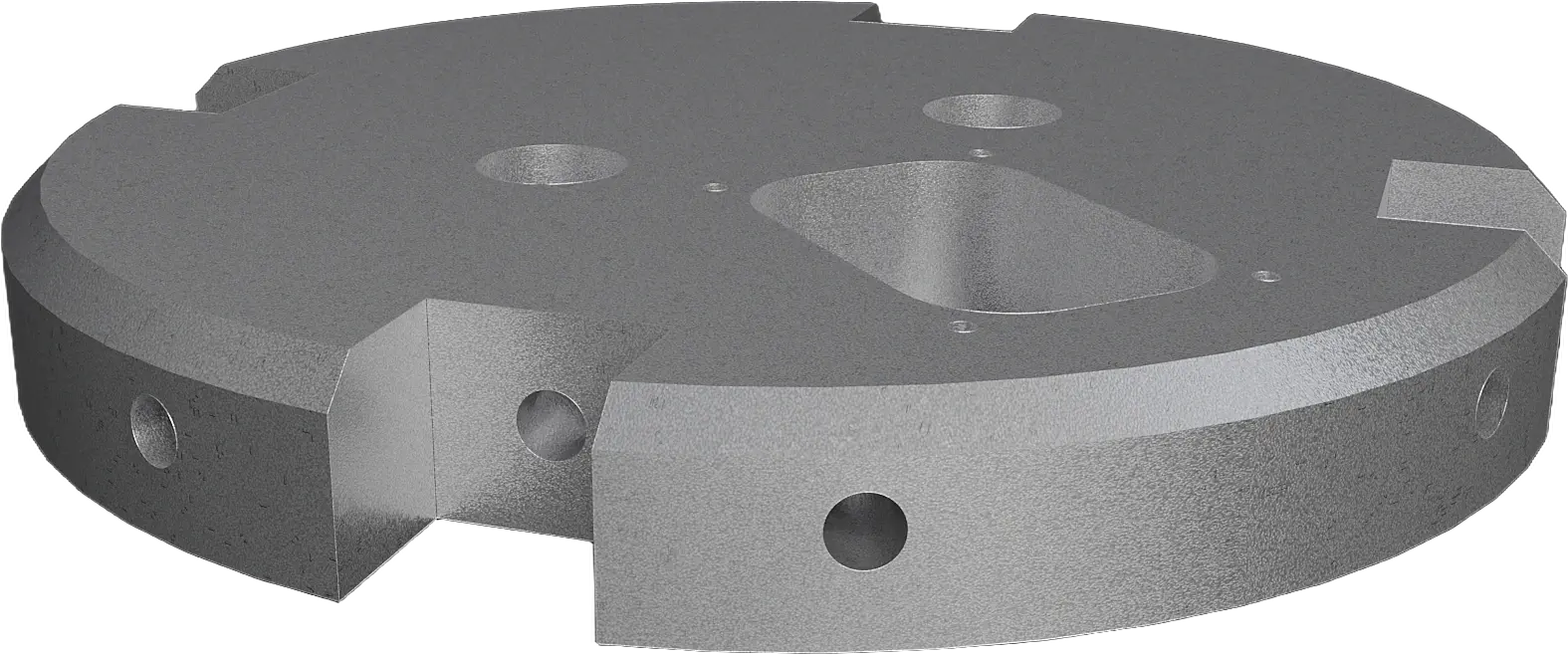
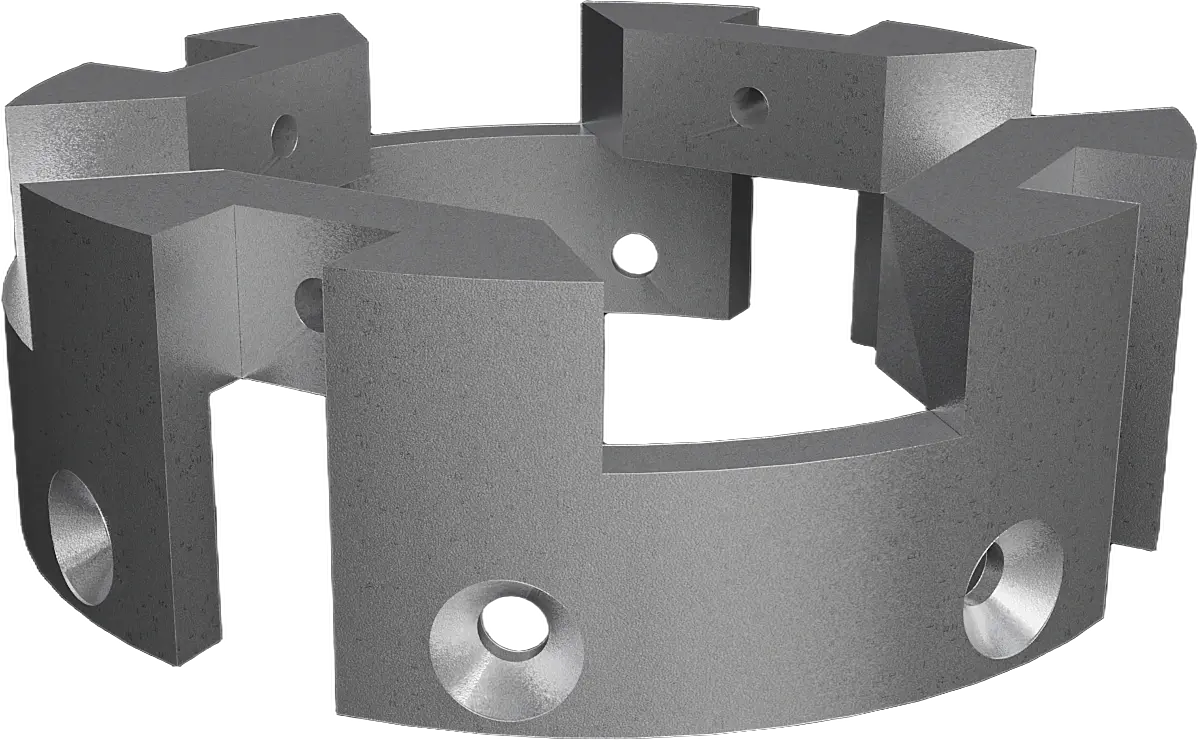

Fracture test modules.
TDCB samples are cast in custom SLA 3D-printed molds from 105 epoxy resin. Each fracture test module combines machined 6061 aluminum (baseplate, mount, couplers), a Delrin guide, an Actuonix P8-10-165-3-ST linear actuator (165:1 gear ratio, 10 mm stroke), and a DMYH-113 bidirectional 10 kg load cell.
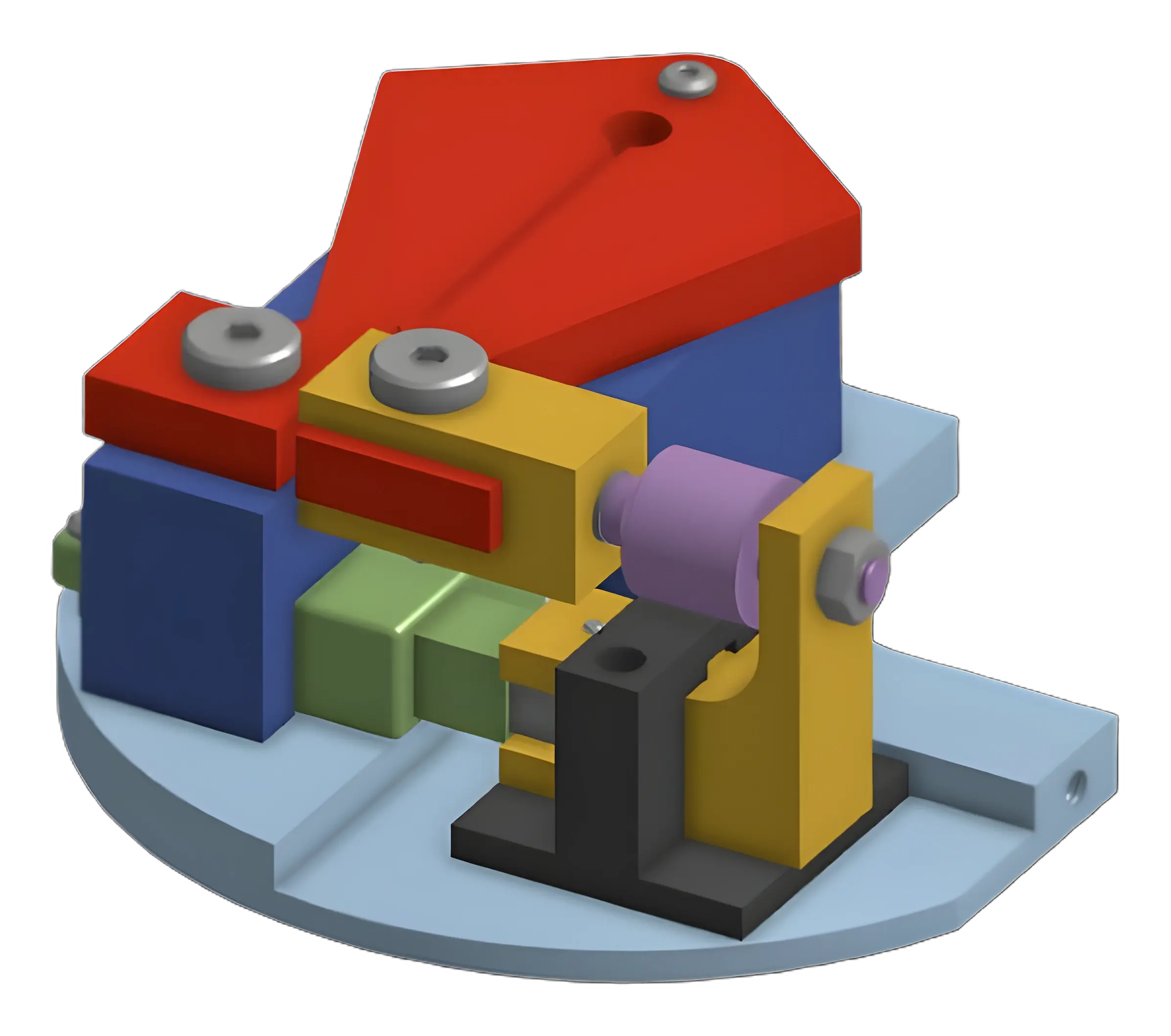
Experiment lifecycle.
- Pre-flight: begin the fracture test; upon full fracture, return actuators to zero-load positions.
- In-flight: continue recording data locally.
- Post-flight: evaluate sample and FTM condition; compare logged data with bench tests.
- Post-competition: run new test samples in the flown FTMs to gauge how flight affected hardware performance.
SRAD boards.
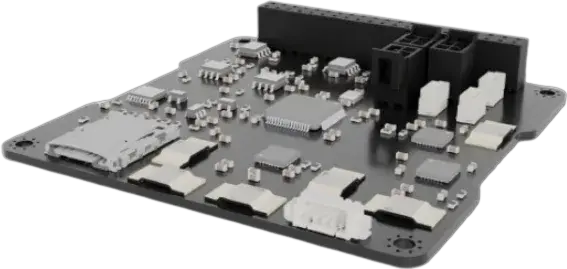
SEM
Sensor & Experiment Module: strain acquisition and experiment control.
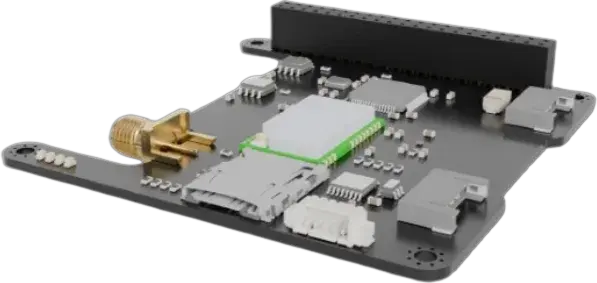
SDRM
Software Defined Radio Module: 433 MHz LoRa telemetry link to the ground station.
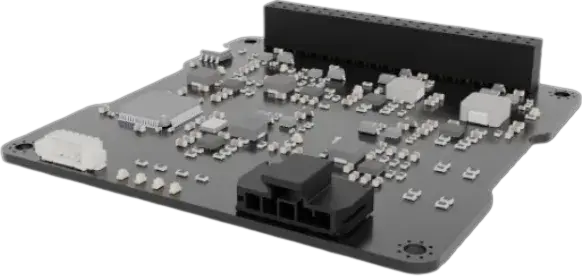
EPM
Electrical Power Module: battery management and power distribution for the payload stack.
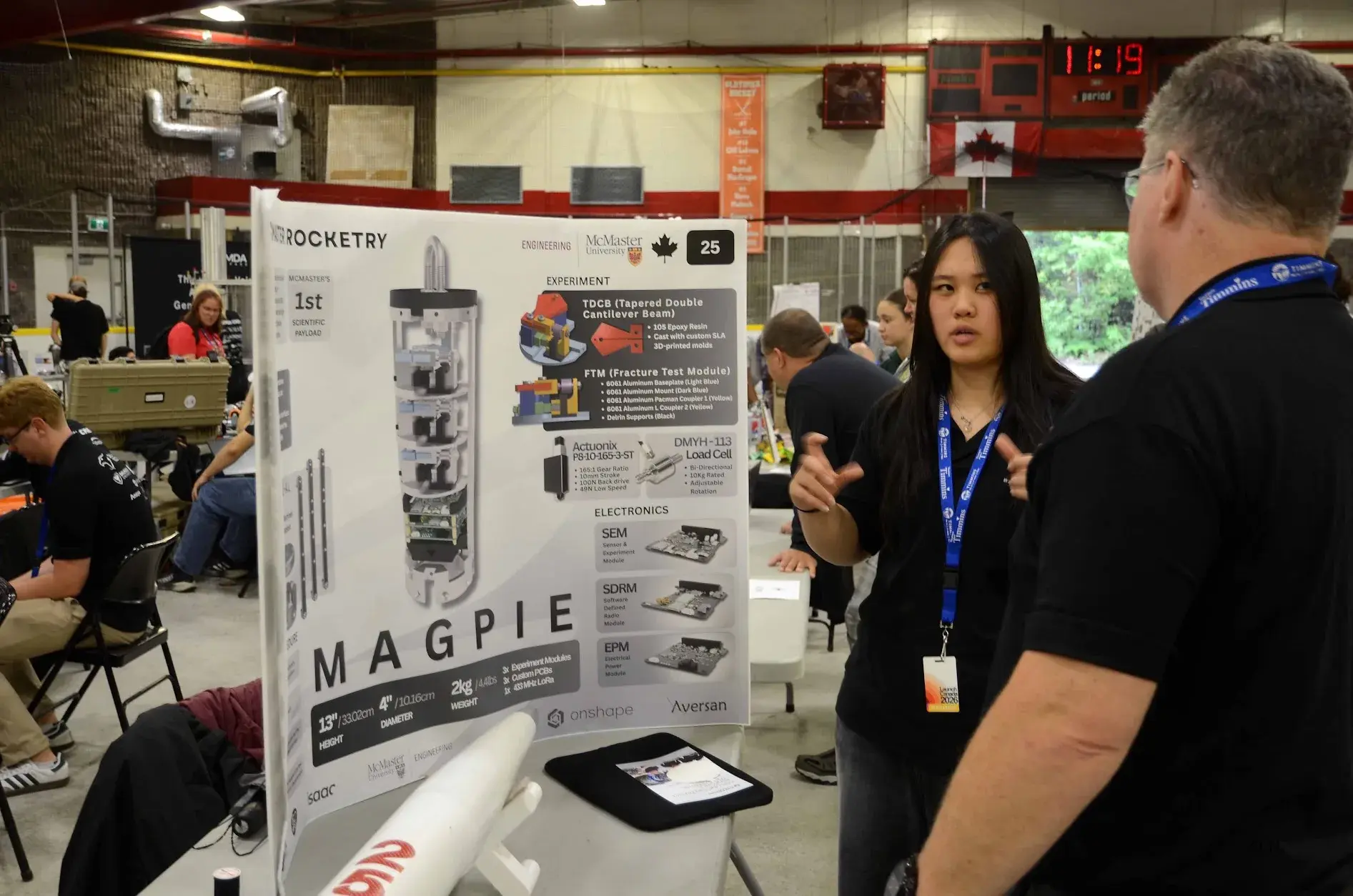
Launch Canada poster.
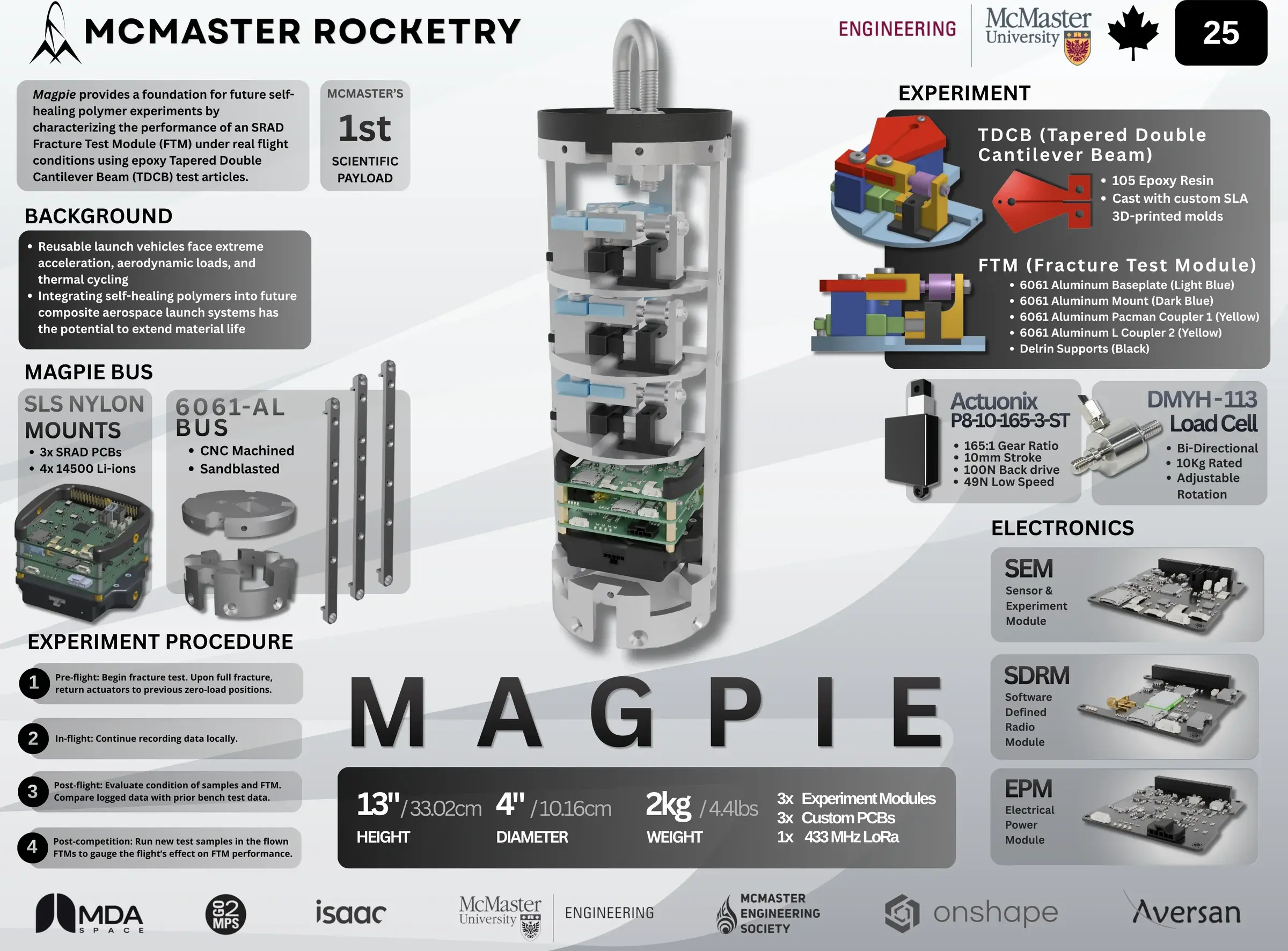
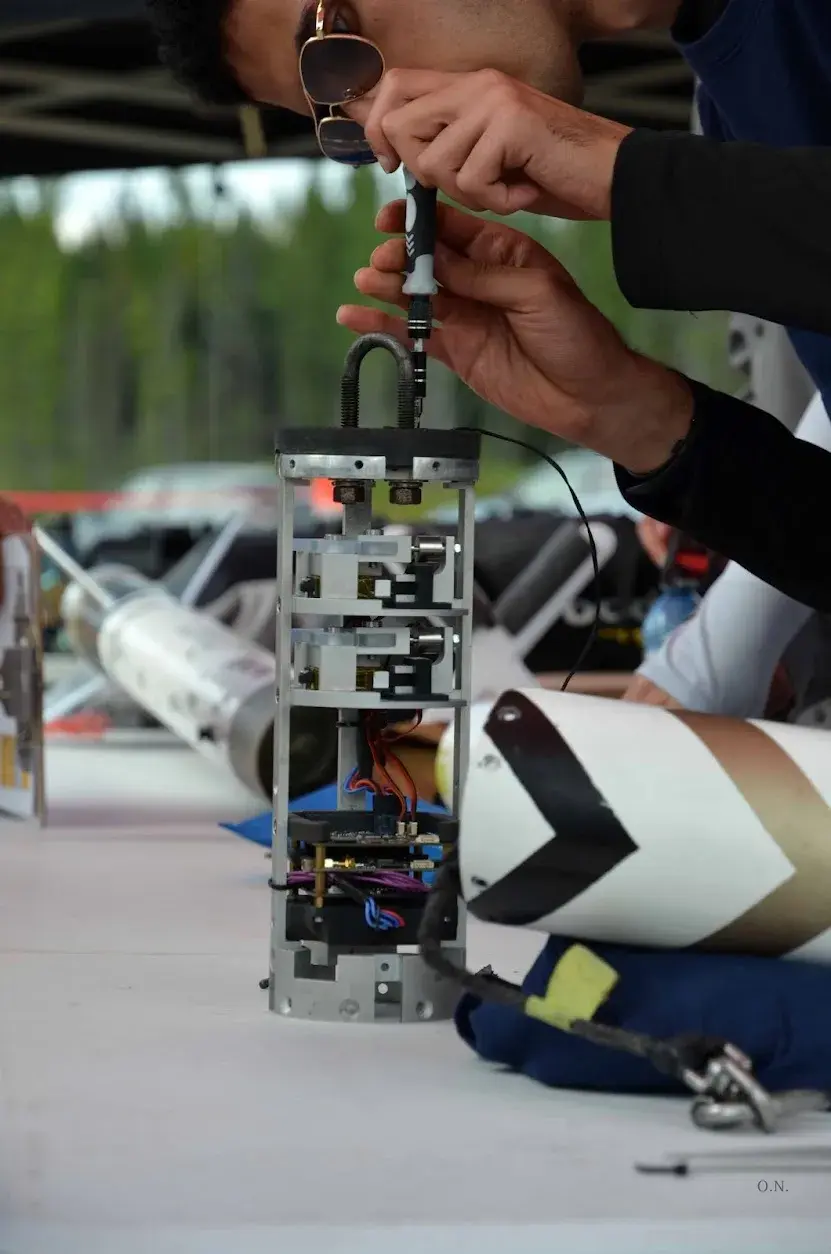
In the field.
We hire first years.
We hire people who have never touched a rocket. Come ready to learn. We'll teach the rest.
Applications for this term are closed. Stay tuned to our Instagram for future opportunities. You don't need to be an engineer: we need people on operations as much as on airframe.